
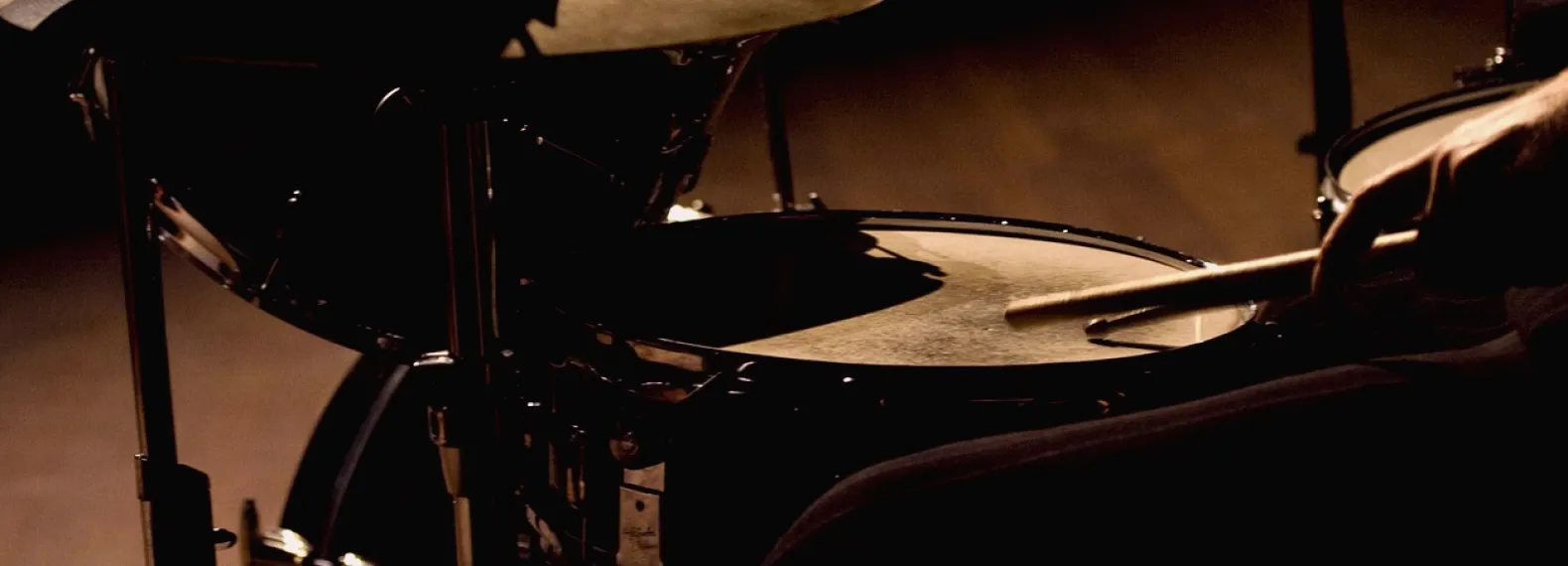
Our Work
A look at the kinds of studios, stages and live broadcasts we plan, set up and support for networks and event crews.
Studios, stages and signal paths we have shaped
These examples show how our consultancy approaches different spaces. Each one starts with the layout and the crew who will use it, and ends with documents they can run from.
Compact news studio layout
A small broadcast space planned around two presenters and three cameras. We worked out desk position, acoustic treatment and cable routes so the room stayed quiet and easy to reset.
Multi-camera control setup
Camera control units, remote heads and a vision mixer configured for a live panel shoot. Shading and tally were tested with the operators before the first rehearsal.
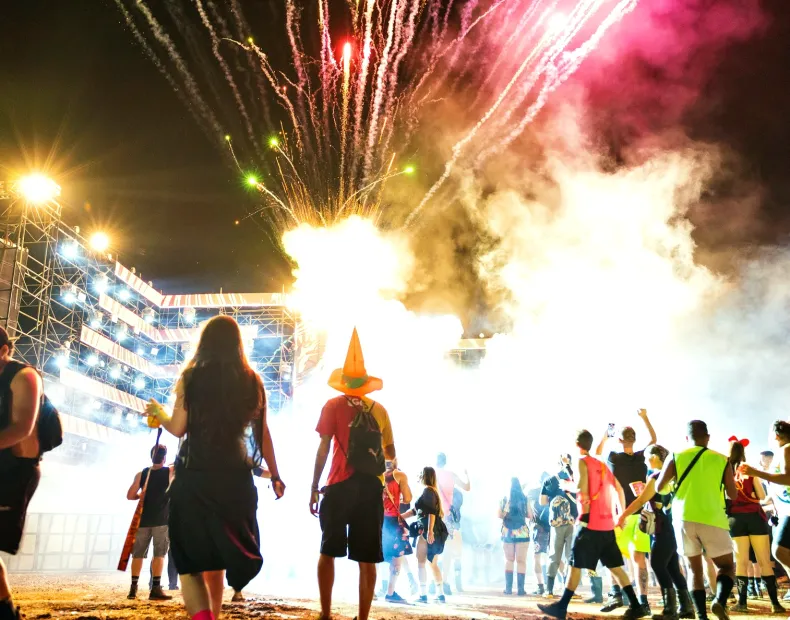
Festival main stage lighting plan
A rig drawn to balance stage look with power limits and safe working heights. The plan included a clear patch list so the crew could rig and focus in one day.
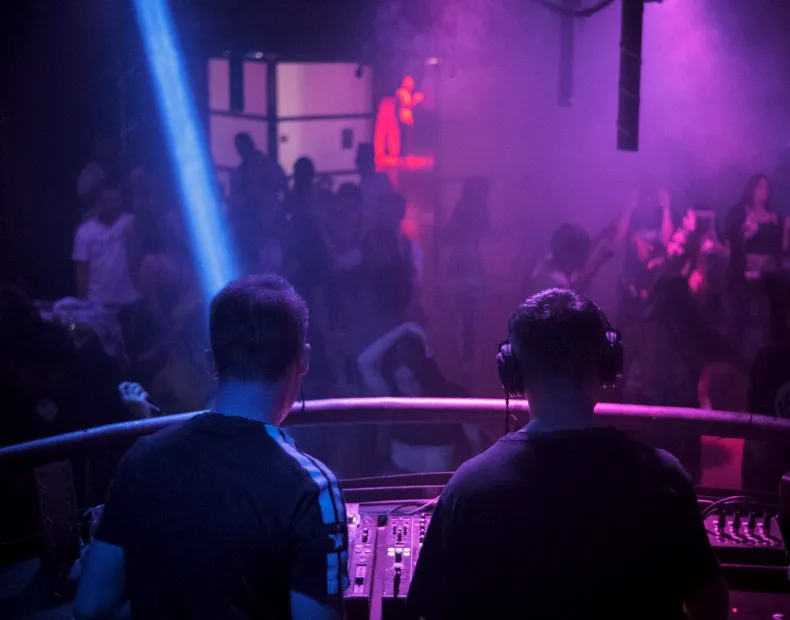
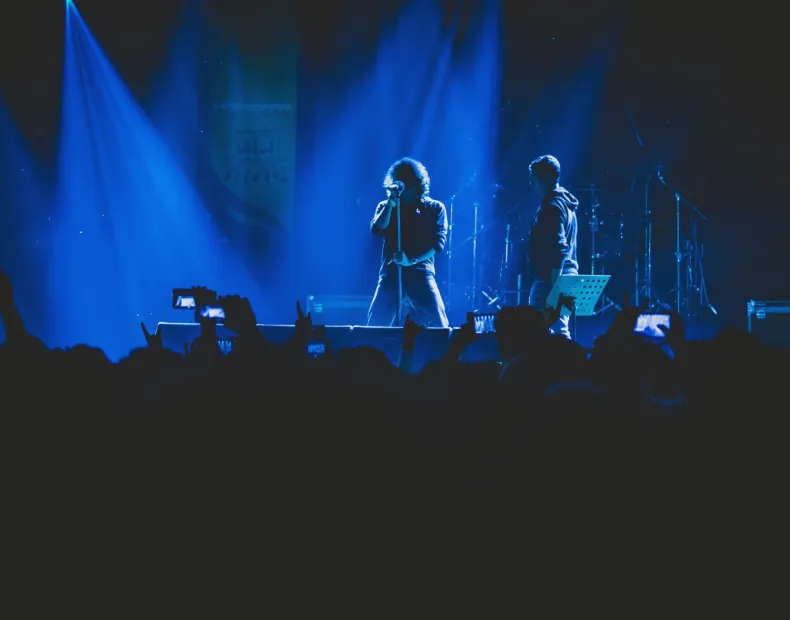
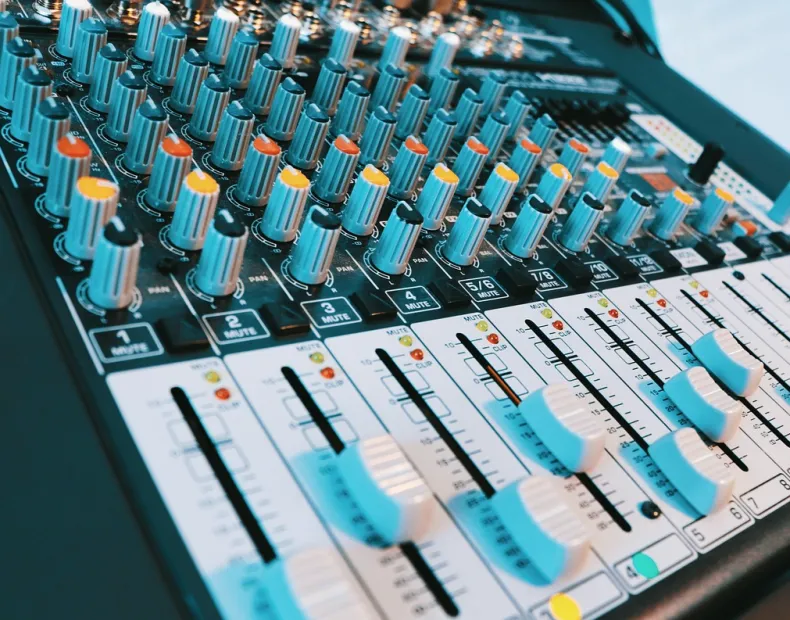
Concert audio chain and monitoring
A front-of-house and monitor setup arranged for a touring band on a shared festival bill. We documented gain structure and desk scenes so changeovers stayed short.
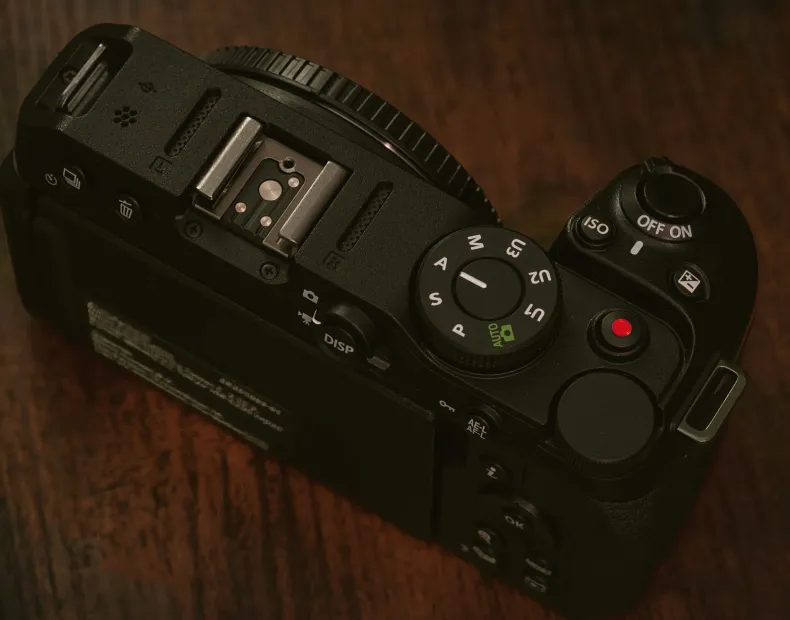
One-off broadcast event run sheet
A signal flow diagram and crew schedule prepared for a single-day outside broadcast. Every feed, intercom line and call time was written down in plain language for the team.
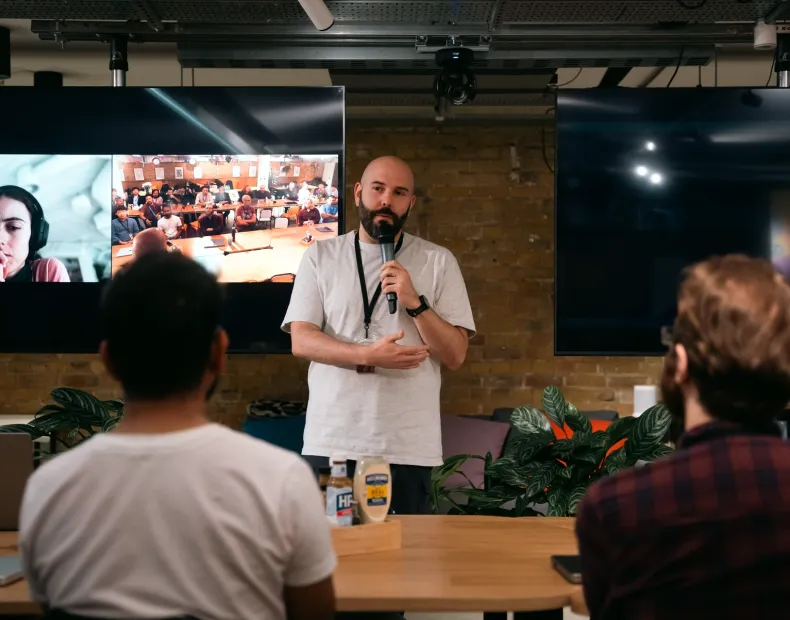
Crew workshop on camera basics
A hands-on session for a venue's in-house team covering framing, white balance and basic shading. Attendees left with a short written guide to keep beside the equipment.
What a project from us usually leaves behind
Our work is measured by what a crew can use afterwards, not by headline figures. Since 2014 we have kept the same habit of delivering plans, diagrams and guides that people can read under pressure. Each project is scoped in writing before it begins and handed over with documents the team can keep.
- Founded
- 2014
- Service areas
- 6
- Team profiles
- 4
- Based in
- York
What a typical engagement looks like in practice
Every project on this page began with a site visit or a long call and ended with documents a crew could pick up and use. The work below is described by the kind of job, because the same few habits run through all of it.
Studios and fixed spaces
For studios and small production spaces, Helen Whitaker starts with a walk through the room and a look at how the crew moves through it. The deliverables are a floor layout, an acoustic treatment plan and a cabling schedule that an installer can price and build from. We note where power, data and talkback runs cross, since that is where hum and trip hazards tend to appear. Most clients keep the drawings and hand them to their own contractors.
Live events and festivals
Event work is shaped by Callum Rhodes, James Fothergill and Priya Nandra, usually a few weeks before doors open. We produce run sheets, signal flow diagrams and crew schedules, then agree a lighting plan that fits the power available on site. On the day, the paperwork is the product: a stage manager should be able to find which feed goes where in under a minute. Where a client wants it, we also brief the crew in person the evening before.
Guides and crew training
Some of our most useful work is written down. We prepare technical guides and run workshops that teach crews camera control, basic mixing, and sensible rigging and lighting habits on their own equipment. Sessions are kept small so everyone gets time on the kit. Clients tell us the guides get reused for new starters long after the workshop itself, which is the outcome we aim for.
Ask for a quote
Write to us: hello@newsymph.net