
Audiovisual production services for broadcast and live events
Six areas of work, from studio design to crew training, each planned and written down so your team can run it with confidence on the day.
Six areas of production work
-
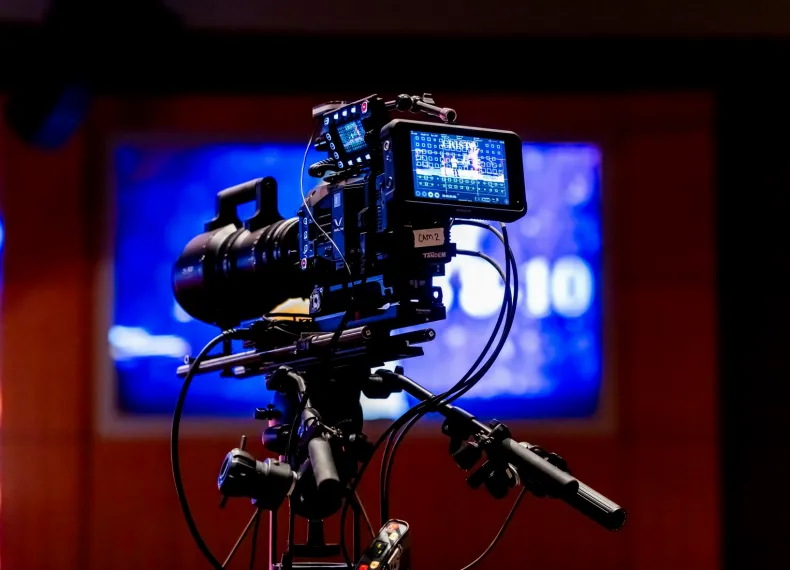
Studio Design Consulting
We plan the layout, acoustics and cabling of broadcast studios and small production spaces. The result is a set of drawings and notes your installer and crew can follow without guessing.
Contact → -
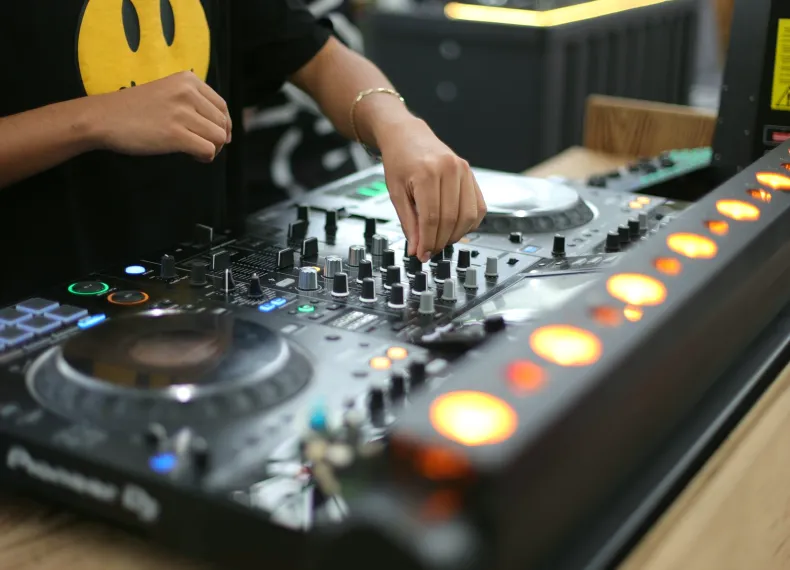
Camera Control Systems
We set up and tune camera control units, remote heads and vision mixing for multi-camera shoots, so shading, switching and camera movement behave consistently from rehearsal through to the live show.
Contact → -
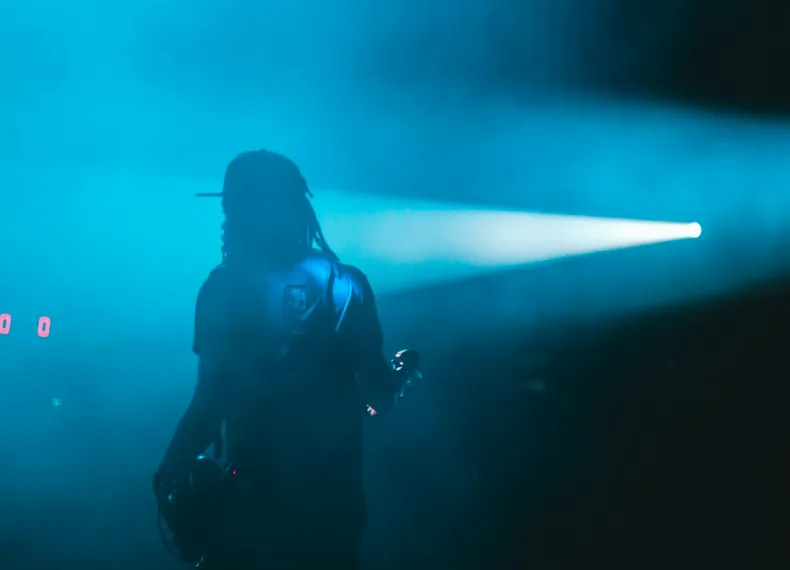
Lighting Design for Stage and Screen
Our lighting plans balance the look on camera, the safety of the rig and the power available. We produce clear plots for live stages and television sets that your crew can rig and operate.
Contact → -

Sound Engineering and Mixing
We design audio chains and advise on mixing desks and monitoring for festivals, concerts and studio broadcasts, with attention to gain structure, routing and what the performers actually hear.
Contact → -
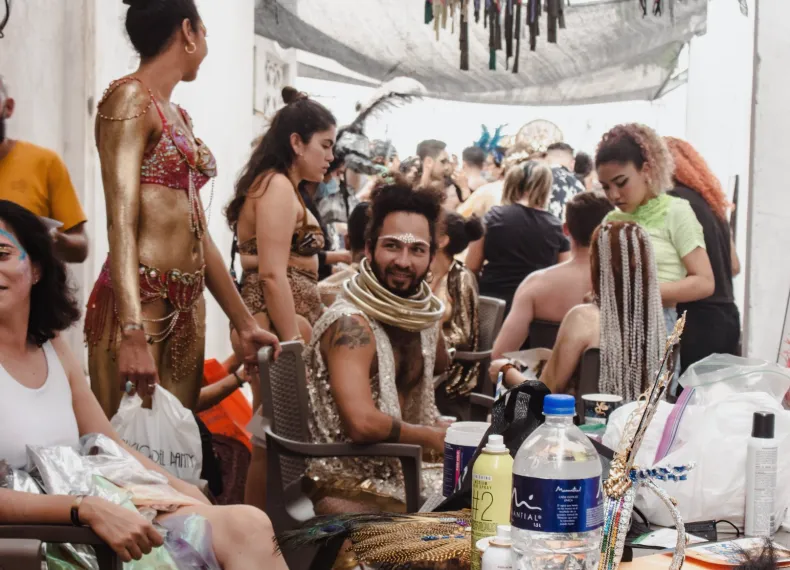
Live Event Workflow Planning
We write run sheets, signal flow diagrams and crew schedules for festivals and one-off broadcast events, so every department knows its cues, its positions and its fallback if something changes.
Contact → -
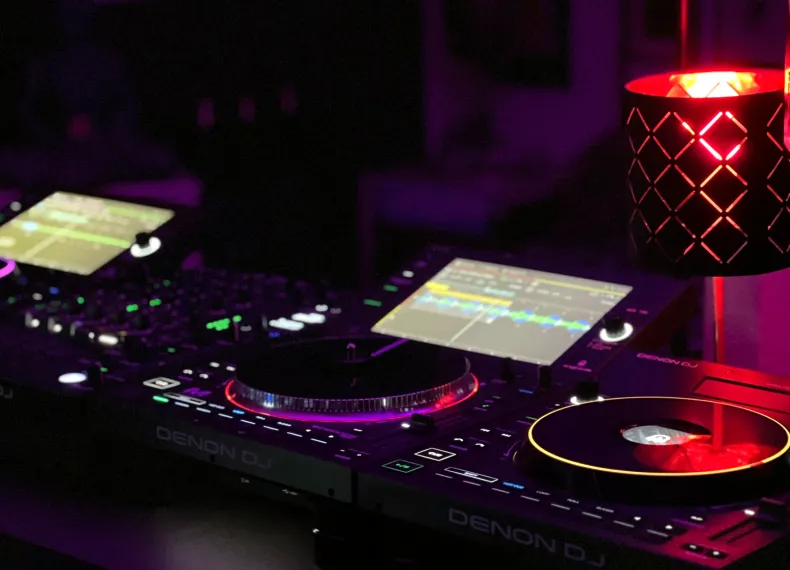
Technical Guides and Training
We write practical guides and run workshops that teach crews audiovisual production methods. Material is based on real set-ups, with checklists and diagrams people can keep beside the equipment.
Contact →
From first enquiry to handover
Every project follows the same sequence, whether it is a studio plan or a festival workflow. You always know what comes next, what we need from you, and what you will receive.
-
1
Enquiry
You contact us through the contact page with a short description of the space or event, the date and the outcome you want. We reply in writing with questions and a view on scope.
-
2
Scoping
We review plans, equipment lists and crew details, and may visit the site. We then agree what is included, what we need from your side and how long the work should take.
-
3
Written quotation
We send a written quotation setting out the work, the deliverables and what could change the cost. Work begins once you confirm it in writing and we have agreed the dates.
-
4
Planning and delivery
We prepare drawings, schedules, settings or training material and share drafts for comment. Where the work is on site, we attend rehearsals or set-up as agreed.
-
5
Handover and invoice
We hand over final documents and brief your crew. An invoice follows, payable by bank transfer, and we remain available for follow-up questions on what we delivered.
Studio Design Consulting: what the work involves
- 01
Layout and sightlines
We position the set, cameras, desks and control areas so crews can move freely and shots are not blocked. We test the layout against the programmes you actually make, not an idealised one.
- 02
Acoustics
We assess how the room will sound and recommend treatment, placement of noisy equipment and separation between studio and control areas. We explain trade-offs plainly when budget or building limits what is possible.
- 03
Cabling and power
We prepare cable routes, labelling schemes and patching plans, with sensible allowance for later additions. Power distribution is considered alongside lighting and equipment loads so circuits are not overstretched.
- 04
Documents and handover
You receive drawings, a cable schedule and written notes explaining our choices. We walk your installer and technical staff through them so questions are settled before work starts on site.
Frequently asked questions
These are the questions producers and technical managers ask most often before they commission work. If yours is not covered, send it through the contact page and we will answer in writing.
How do I start a project with newsymph?
Send an enquiry through the contact page describing the space or event, your dates and what you want to achieve. We reply in writing with questions and, where useful, suggest a call. Once we understand the scope, we issue a written quotation for you to confirm before any work begins.
Do you work only with television networks?
No. Our clients include broadcasters, venues, festival organisers, independent production companies and freelance crews. The size of the organisation matters less than whether the work falls within our six areas. If it does not, we will tell you so and avoid taking the work on.
Can you visit our studio or venue?
Yes, where a visit helps. Many studio and lighting projects benefit from seeing the room, and we usually attend rehearsals or set-up for camera and event work. Travel and attendance are agreed in the written quotation so there are no surprises later.
What will I receive at the end of a project?
You receive written documents suited to the work: drawings, cable schedules, signal flow diagrams, lighting plots, run sheets or training notes. We go through them with your team at handover. Final files are sent electronically, and we remain available for questions about what we delivered.
Can you work alongside our own technicians and installers?
Yes, and we prefer to. Our documents are written for your installer and crew to follow. We attend meetings, answer queries as the work proceeds, and adjust the plan when site conditions turn out differently from the drawings.
How are prices set and how do I pay?
Prices depend on the service, the size of the space or event and the time involved, and they are shown on the prices page. After a written quotation is confirmed, we issue an invoice payable by bank transfer. Cancellations and refunds follow our payment and refund policy.
Do you offer training for crews as well as consulting?
Yes. Technical Guides and Training covers written guides and workshops, and we often add short handover sessions to consulting projects. Sessions focus on the equipment and workflow your crew will actually use, so the learning transfers directly into the next production.
How much notice do you need before an event?
As much as you can give, because planning, rehearsal and revision all take time. A festival or broadcast event benefits from early contact, while a smaller task may be quicker. Tell us your date in the enquiry and we will say honestly whether it is workable.
Ask for a quote
Write to us: hello@newsymph.net