01904 797 0226 hello@newsymph.net Mon-Fri 9:00-17:30
newsymph
What we cover

Six areas of audiovisual production

Our work runs from the first studio sketch to the last cue of a live event. Each area is handled by someone who has done it on real productions, and each is explained in plain terms.

  • Studio design

  • Camera control

  • Lighting design

  • Sound and mixing

  • Workflow planning

  • Guides and training

  • Safe, tidy rigs

  • Network and venue ready

Working scenes

The spaces and equipment we plan around

These scenes show the kind of environments our advice applies to, from studio floors to festival stages. Each one reflects a part of the production chain we help crews organise.

  1. Studio floor with desk set and camera positions

    Camera positions, desk placement and cable routes are decided together so the floor stays clear. Acoustic treatment is planned alongside the layout rather than added afterwards.
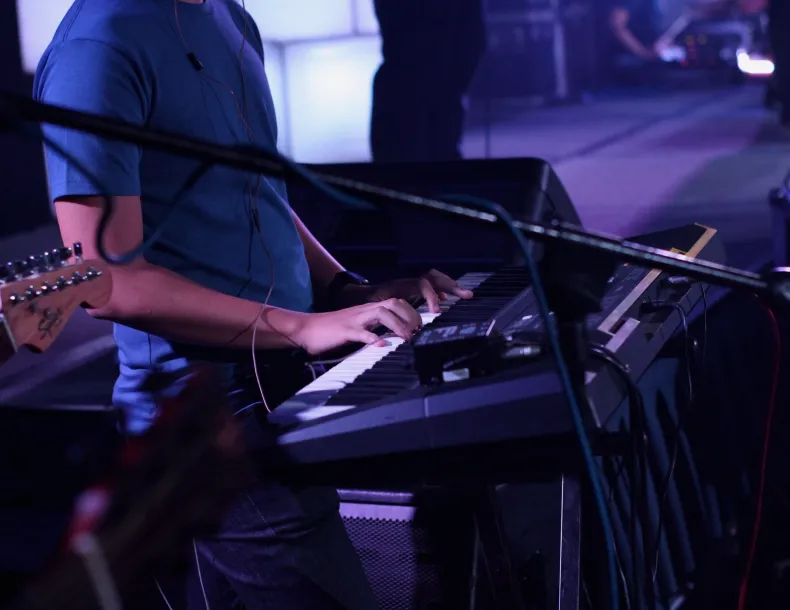
  2. Vision mixing panel in a control room

    A vision mixer and camera control panel need sensible labelling and a logical layout. We tune the setup so operators can switch shots confidently during a live show.

  3. Concert lighting rig on trusses

    Fixtures, trusses and dimmer power are drawn up as one plan. We check load and access so the rig can be built and struck safely.
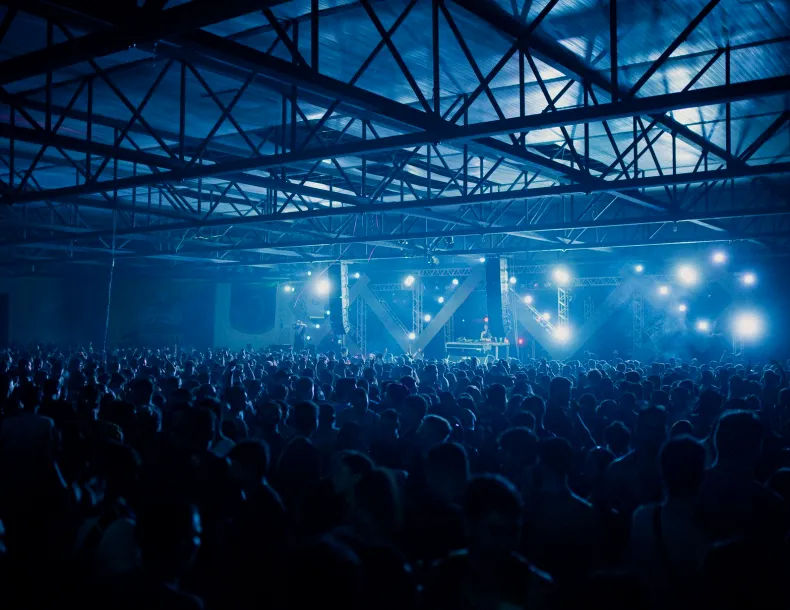
  4. Front-of-house mixing desk at a live show

    A mixing desk, monitoring and signal chain set up for a festival stage. Channel lists and patching are written down so changeovers stay quick.
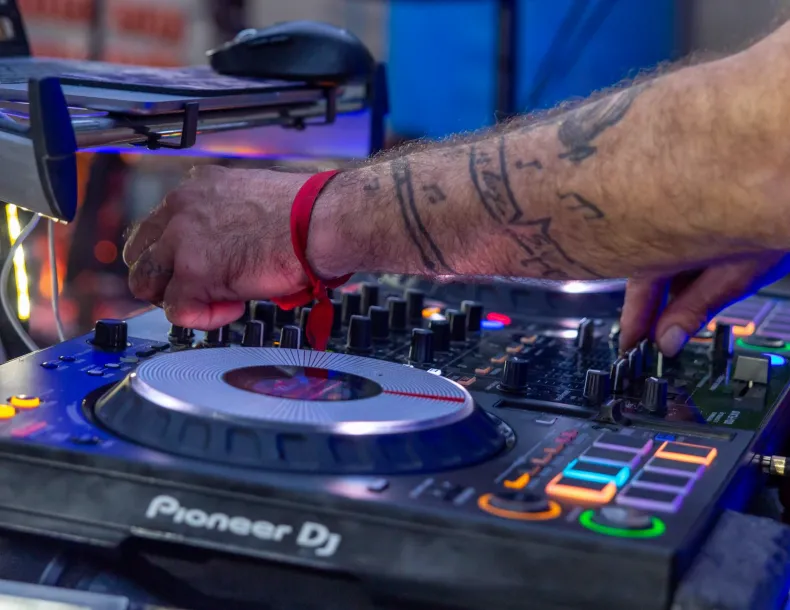
  5. Backstage planning before a broadcast event

    Crew leads go through run sheets and signal flow diagrams before doors open. Clear schedules reduce last-minute questions between departments.
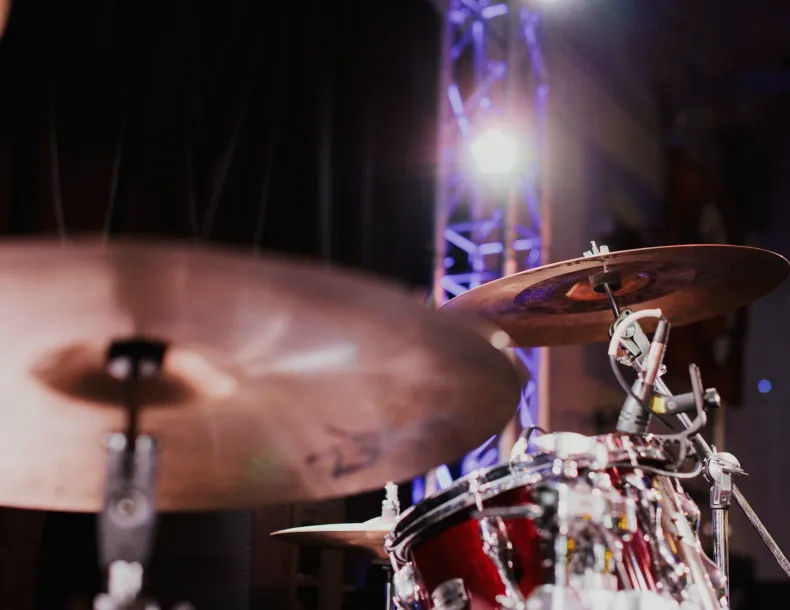
  6. Hands-on workshop with production kit

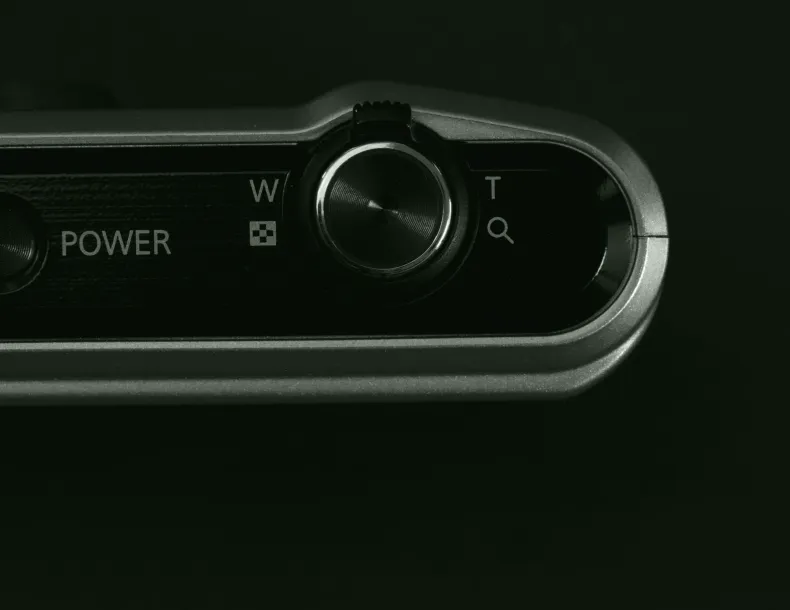
    Trainees work directly with cameras, cables and audio gear during a workshop. The focus is on habits a crew can repeat on their own jobs.
How we work

From first conversation to a workable production plan

Every project begins with listening to how your crew works and what the production needs to achieve. We then move through a short sequence of steps, each one leaving you with something written down. The pace follows your schedule, not ours.

  1. Enquiry and brief

    You tell us about the studio, event or workflow and what is not working. We ask practical questions about space, equipment, crew size and timing so the scope is clear before anything is proposed.

    What you leave withA shared understanding of what the job involves

  2. Quotation

    We confirm in writing what the work covers, what it costs and what could change the price. You can ask questions or adjust the scope before agreeing to anything.

    What you leave withA written quotation you can accept or amend

  3. Planning and design

    Our specialists draw up layouts, lighting plans, signal flow diagrams or run sheets for your project. We check each plan against safety, power and how the crew will actually use it.

    What you leave withDrawings, diagrams and schedules for your team

  4. Setup and tuning

    Where the work includes it, we help configure camera control, audio chains or lighting and test them with your crew. Problems are found in rehearsal rather than during transmission.

    What you leave withEquipment configured and tested with your crew

  5. Handover and training

    We walk your team through the documents and settings, and can run a workshop on the methods used. Written guides stay with you for future productions.

    What you leave withGuides and notes your crew can keep using

Talk to us about your production

Describe your project through the contact page, whether it is studio design, camera control, lighting, sound, workflow planning or training, and we will reply with the sensible next step.

Tell us what your studio, stage or broadcast needs

Contact

Ask for a quote

Write to us: hello@newsymph.net

Clear guidance for broadcast and live production

Get in touch

01904 797 0226 hello@newsymph.net

14 Walmgate Yard, York YO1 9TX

newsymph